
Paper Illustration
This project explores slow-made storytelling through painted paper, photography, and digital finishing
I recently participated in Samantha Cotterill's Paper Stories workshop through the School of Visual Storytelling.
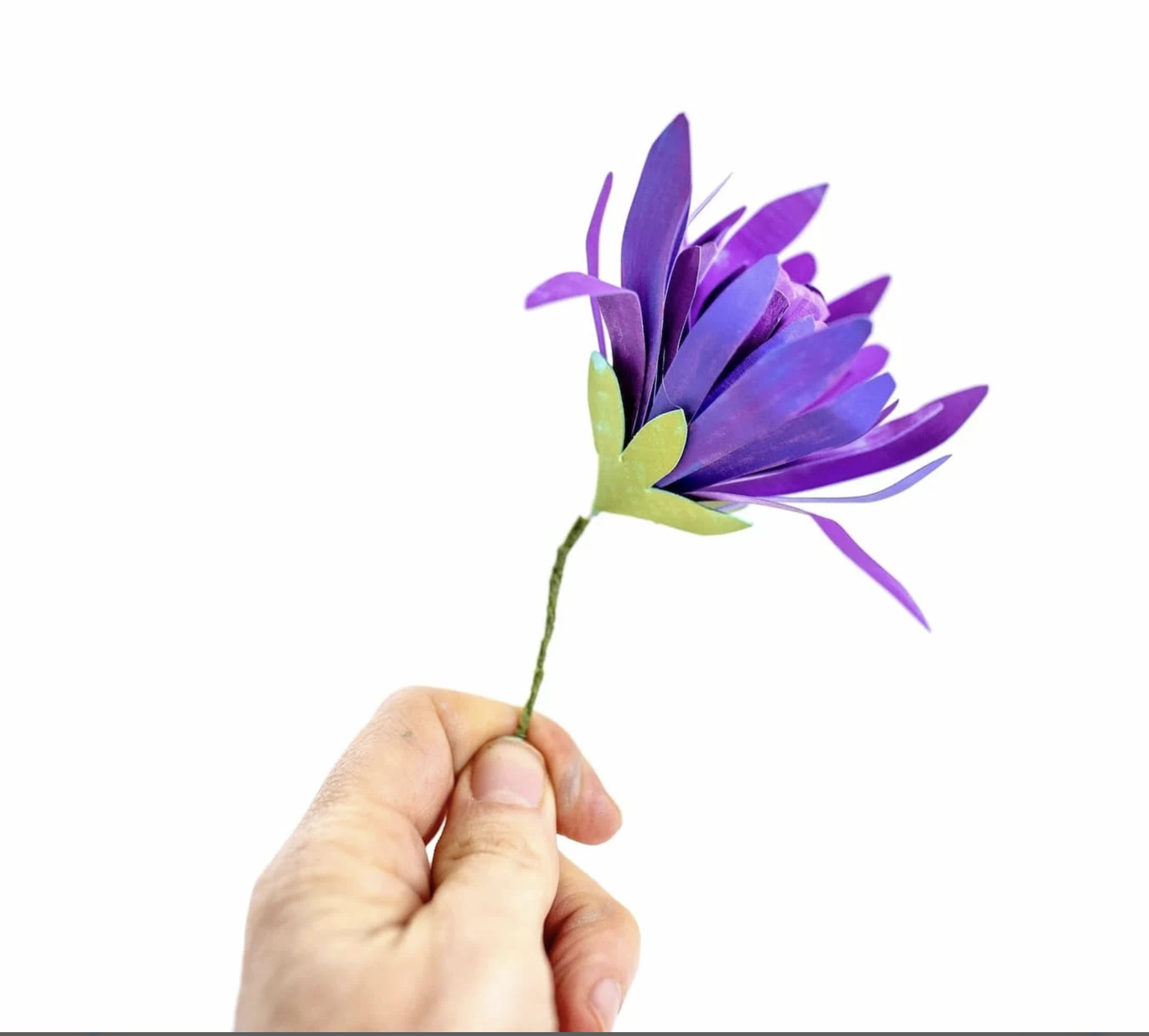
Samantha Cotterill Flower
A friend first introduced me to Samantha's work, and I was immediately drawn to her paper worlds. Her handcrafted nature scenes and miniature interiors reminded me of the thoughtful design found in places like Schoolhouse Electric—beautifully composed, tactile, and full of small details that reward those who take a closer look.
Before I share my own project, I want to give Samantha credit. Teaching a class like this means covering illustration, texture techniques, paper engineering, lighting, photography, and digital finishing—all while supporting students with very diverse backgrounds. Our class was full of wonderful individuals, including designers, New York Times illustrators, and aspiring children's book artists, and Samantha was generous with her knowledge and time; she was encouraging and incredibly patient throughout.
We were also fortunate to have Elly Mackay join as a guest lecturer. Seeing another artist approach dimensional illustration differently was a reminder that there isn't one "correct" way to construct these worlds—every artist develops their own process over time. One of the things I appreciated most was that Samantha embraced that idea as well. Throughout the workshop, she encouraged multiple approaches, whether students leaned toward rich texture or a more graphic, simplified style. Rather than teaching a single formula, she created space for everyone to develop work that felt true to their own voice.
Exploring Dimensional Illustration
For me, the workshop wasn't just about learning a new technique. It gave me permission to explore dimensional illustration in a more focused way. I've always loved seeing other artists' studios and discovering the little systems they invent to make their work. The creative process has always fascinated me as much as the finished illustration.
Finding the Story
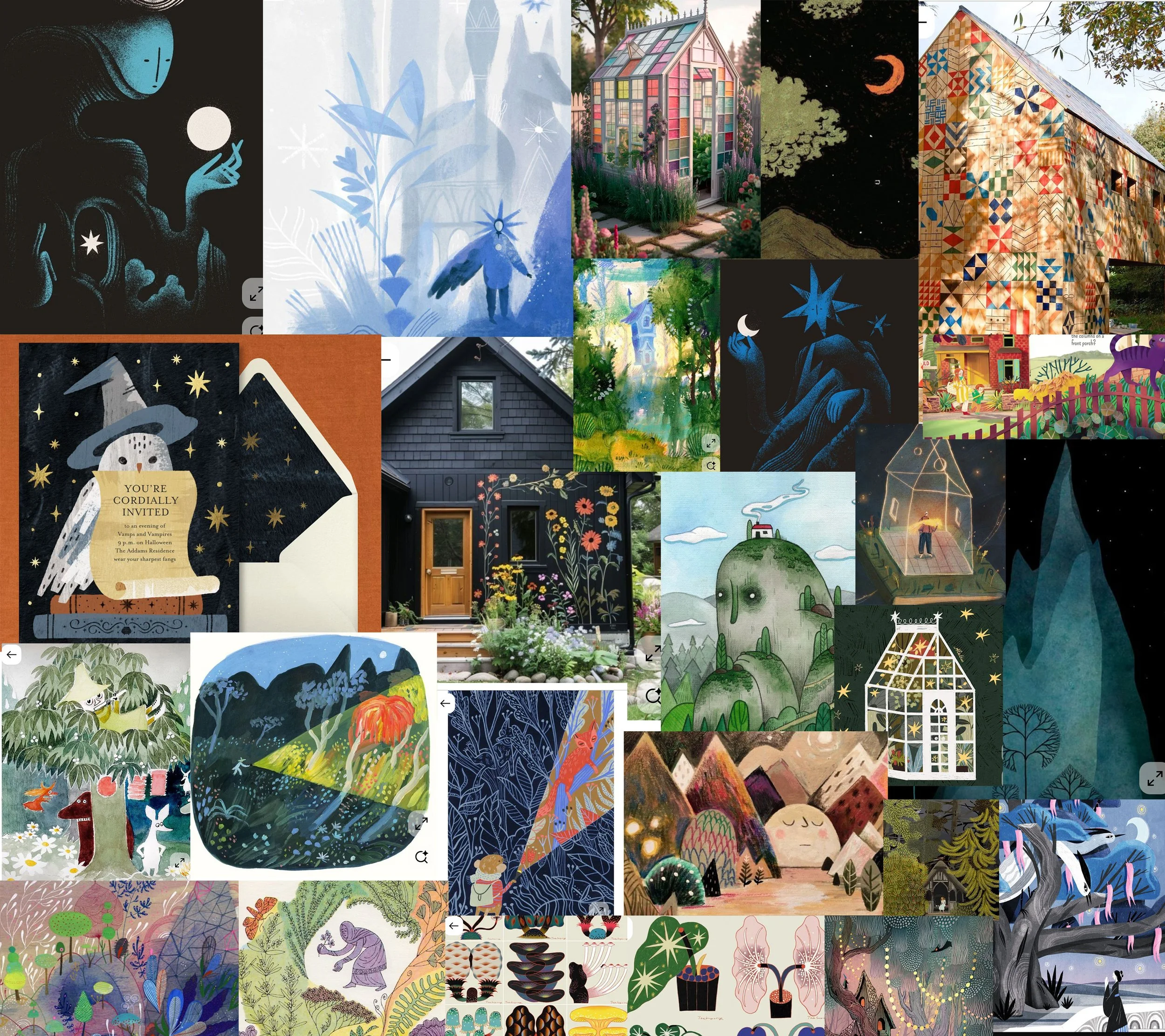
Some of the references that shaped this project.
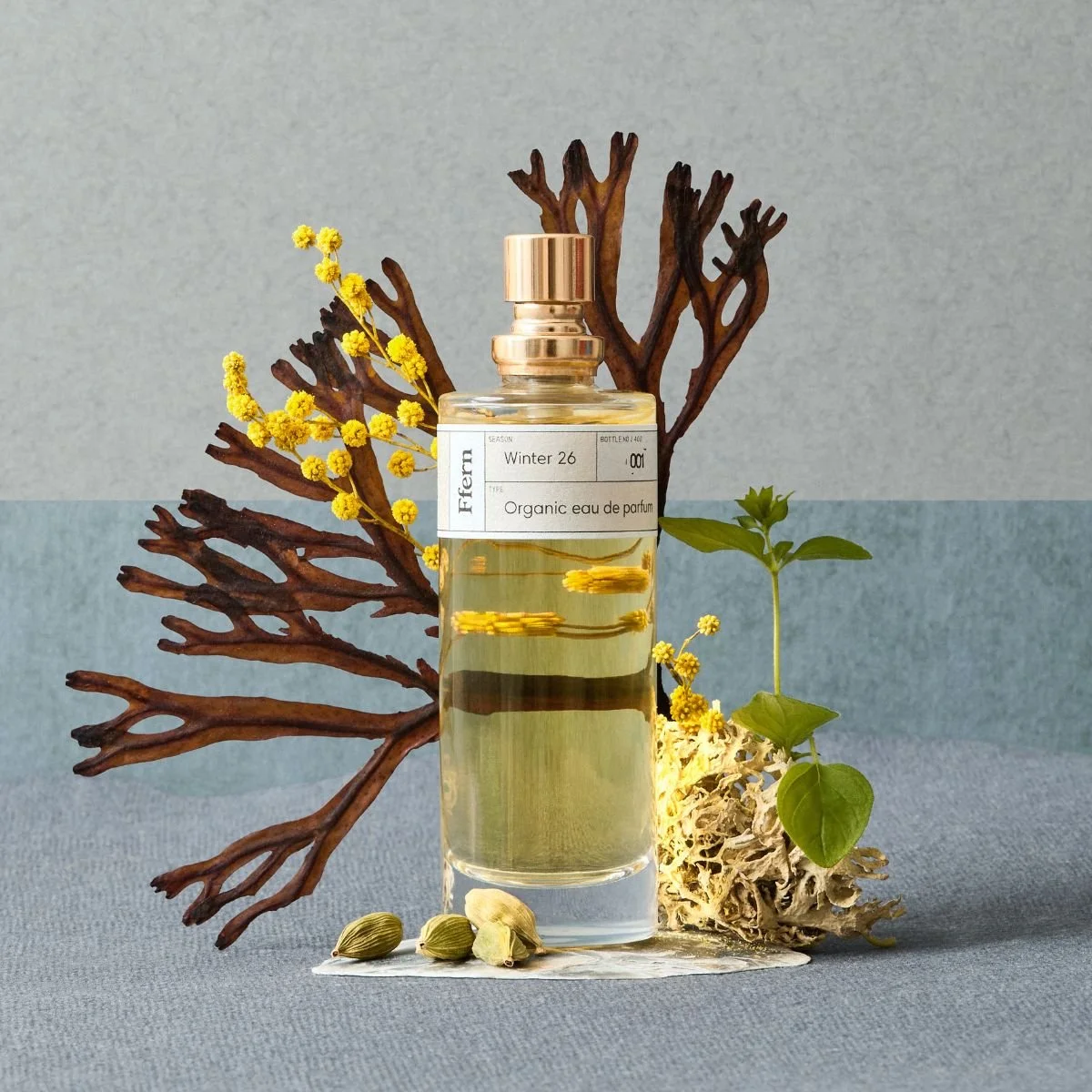
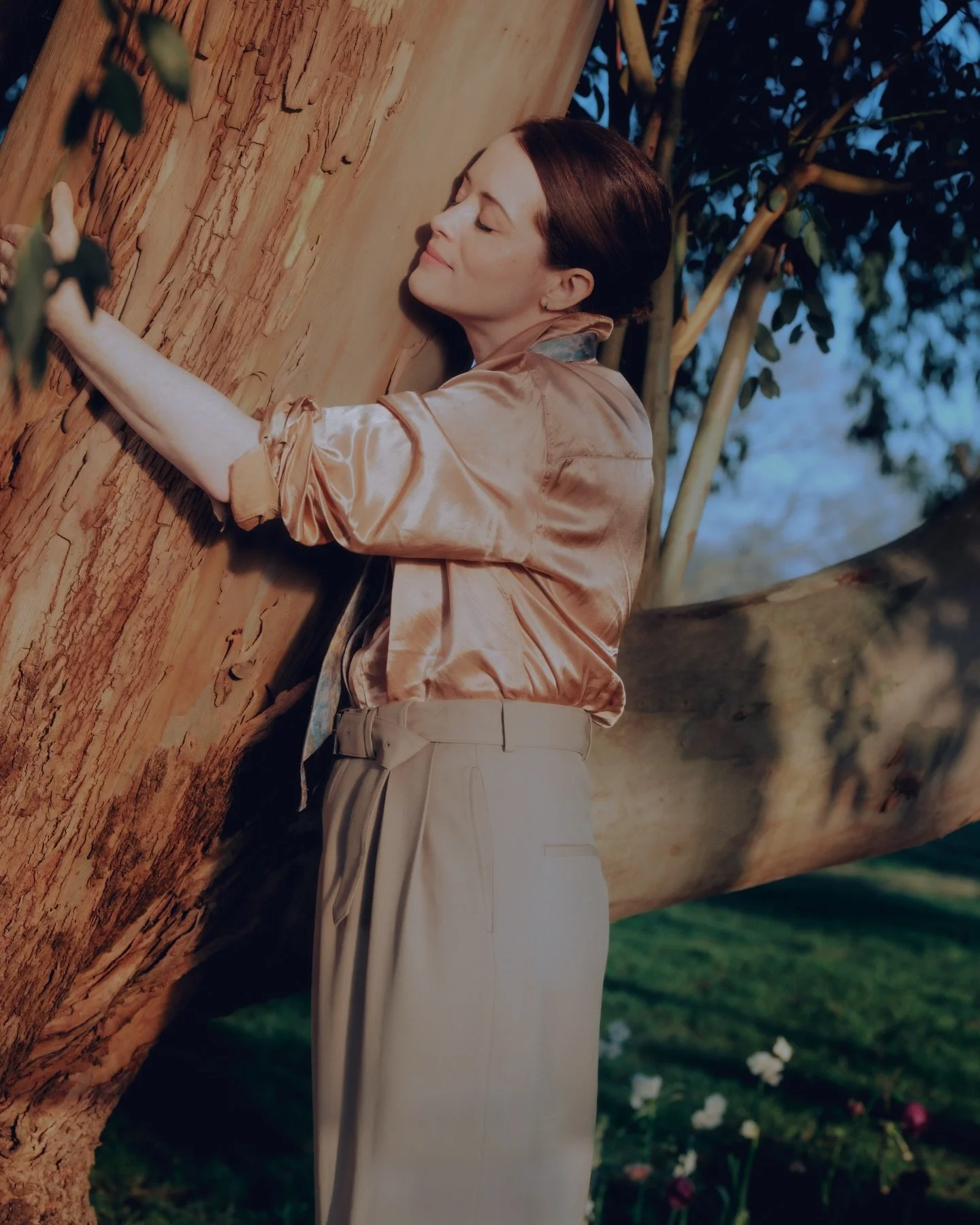
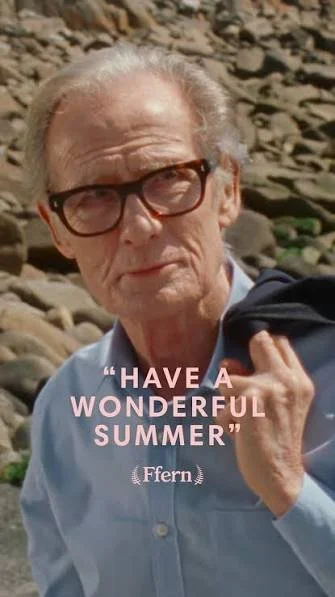
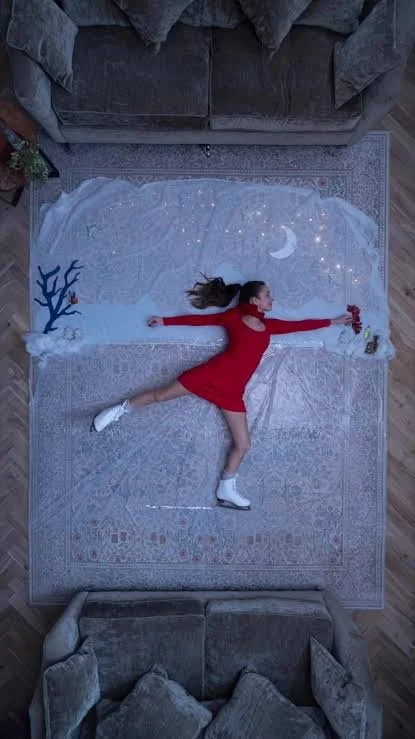
One brand that has consistently inspired me is Ffern. Each seasonal fragrance is introduced through an entire world of storytelling—film, packaging, artifacts, and beautifully considered presentation. In hindsight, I think that influence quietly found its way into this project. I knew from the beginning that I wanted to include a perfume bottle as part of the scene. I used a Memo Paris bottle as a stand-in while developing the composition, knowing the final bottle would become its own design.
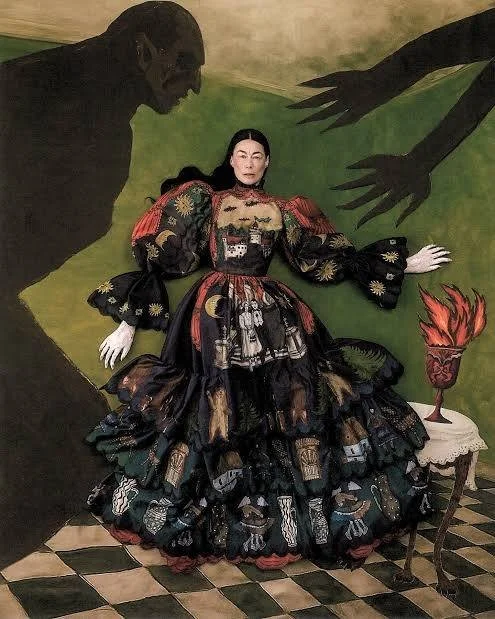
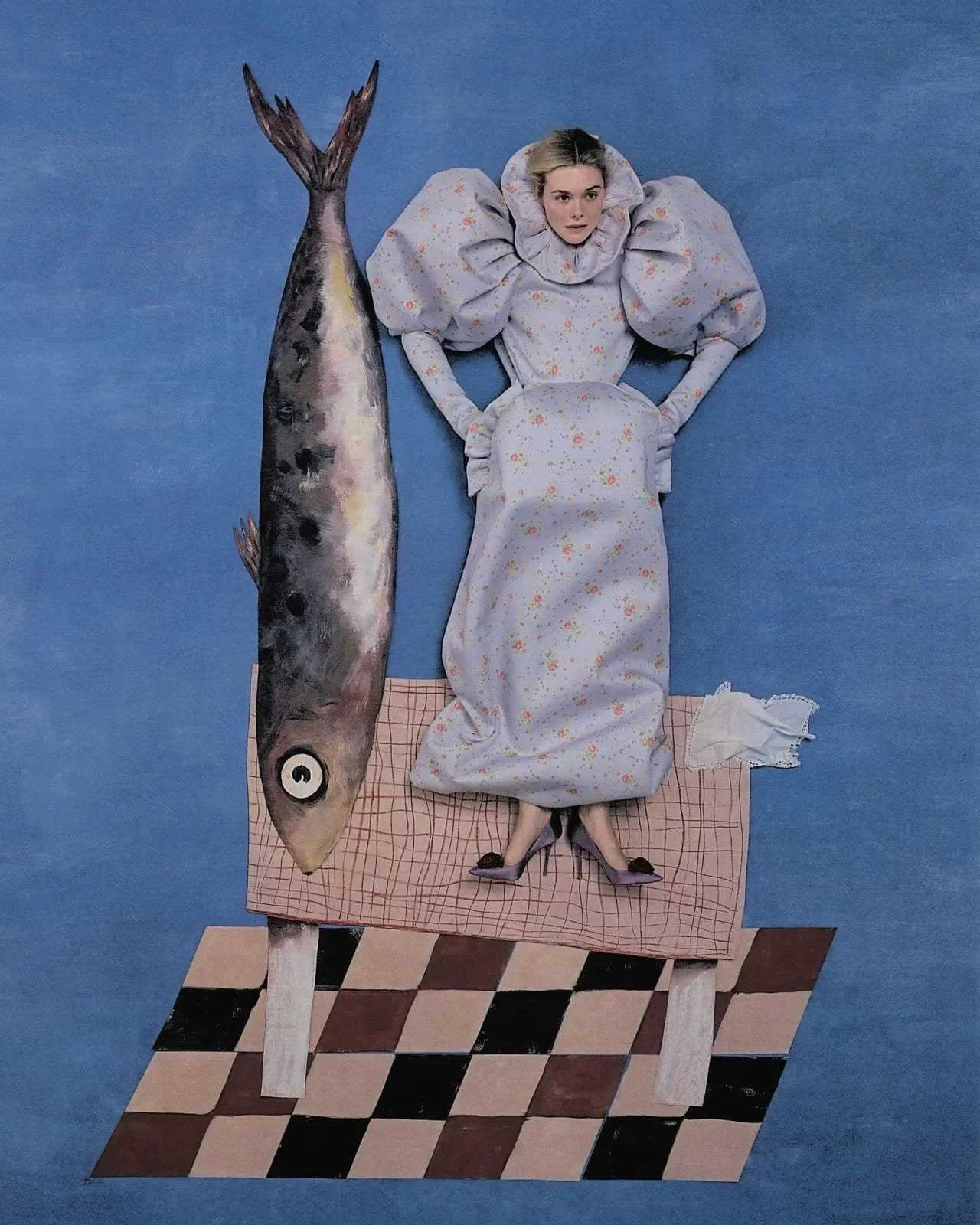
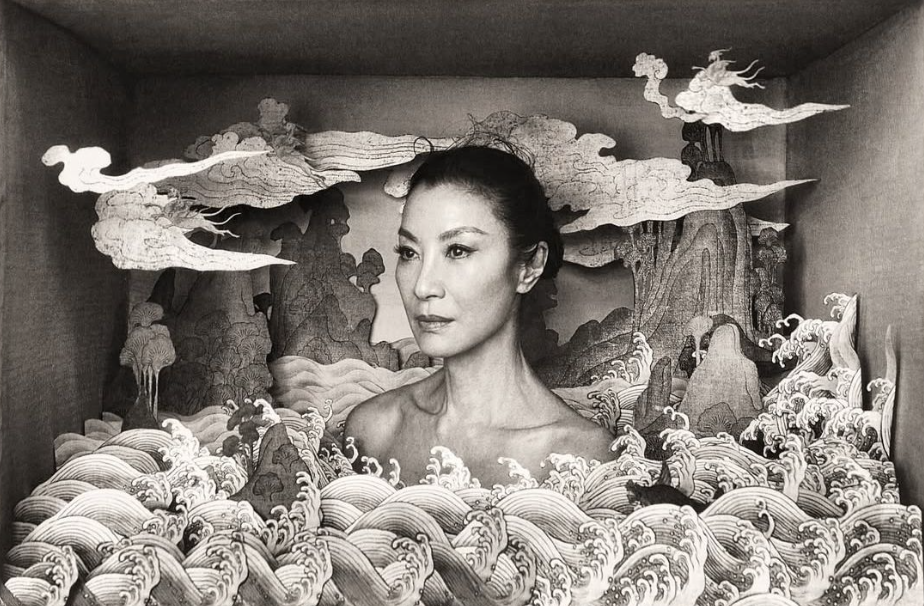
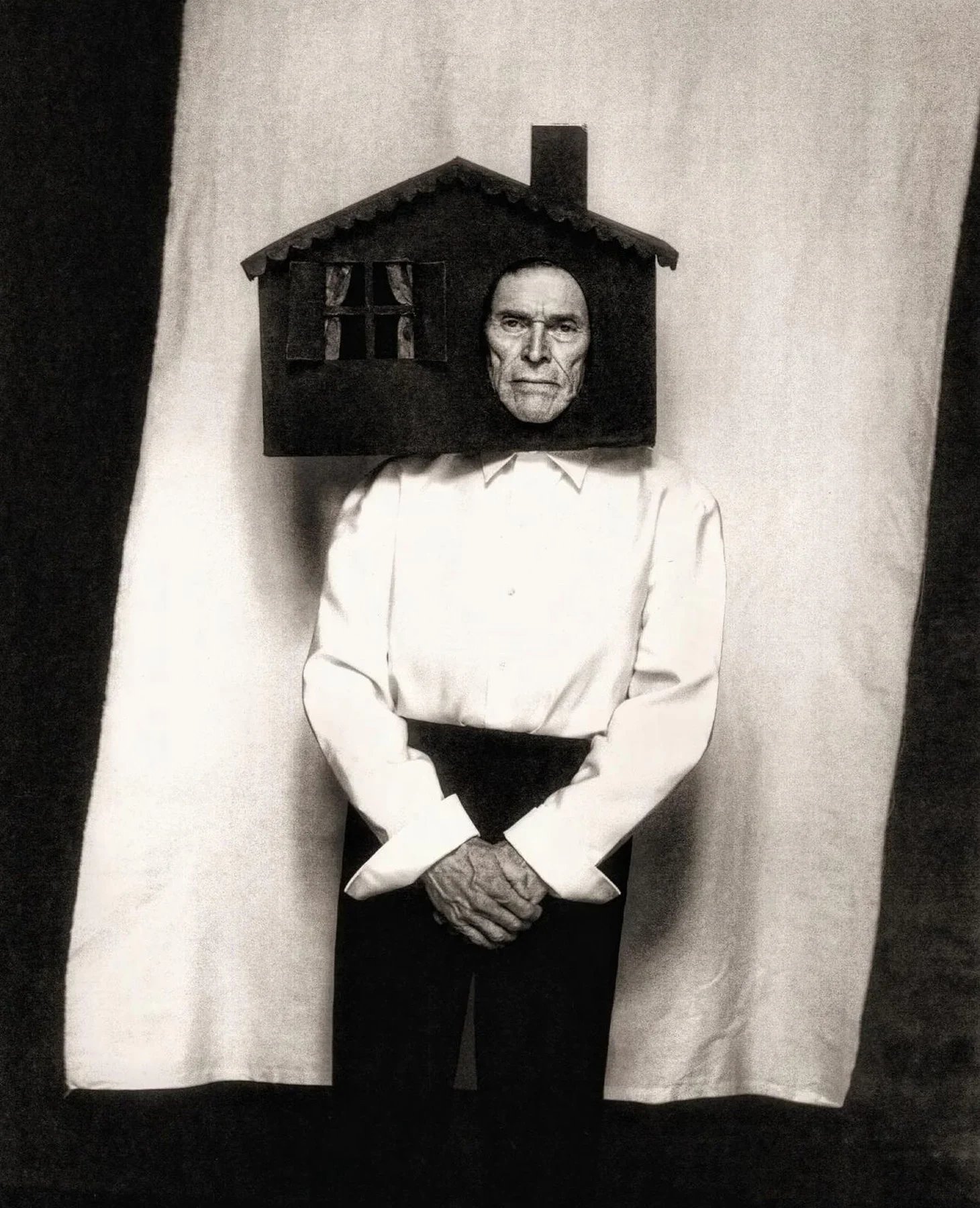
The work of Szilveszter Makóhas also been a constant source of inspiration. I admire his sophisticated use of color, conceptual storytelling, and the quiet confidence of his compositions. Every piece feels carefully considered, with nothing included that doesn't strengthen the idea.
Building a Narrative
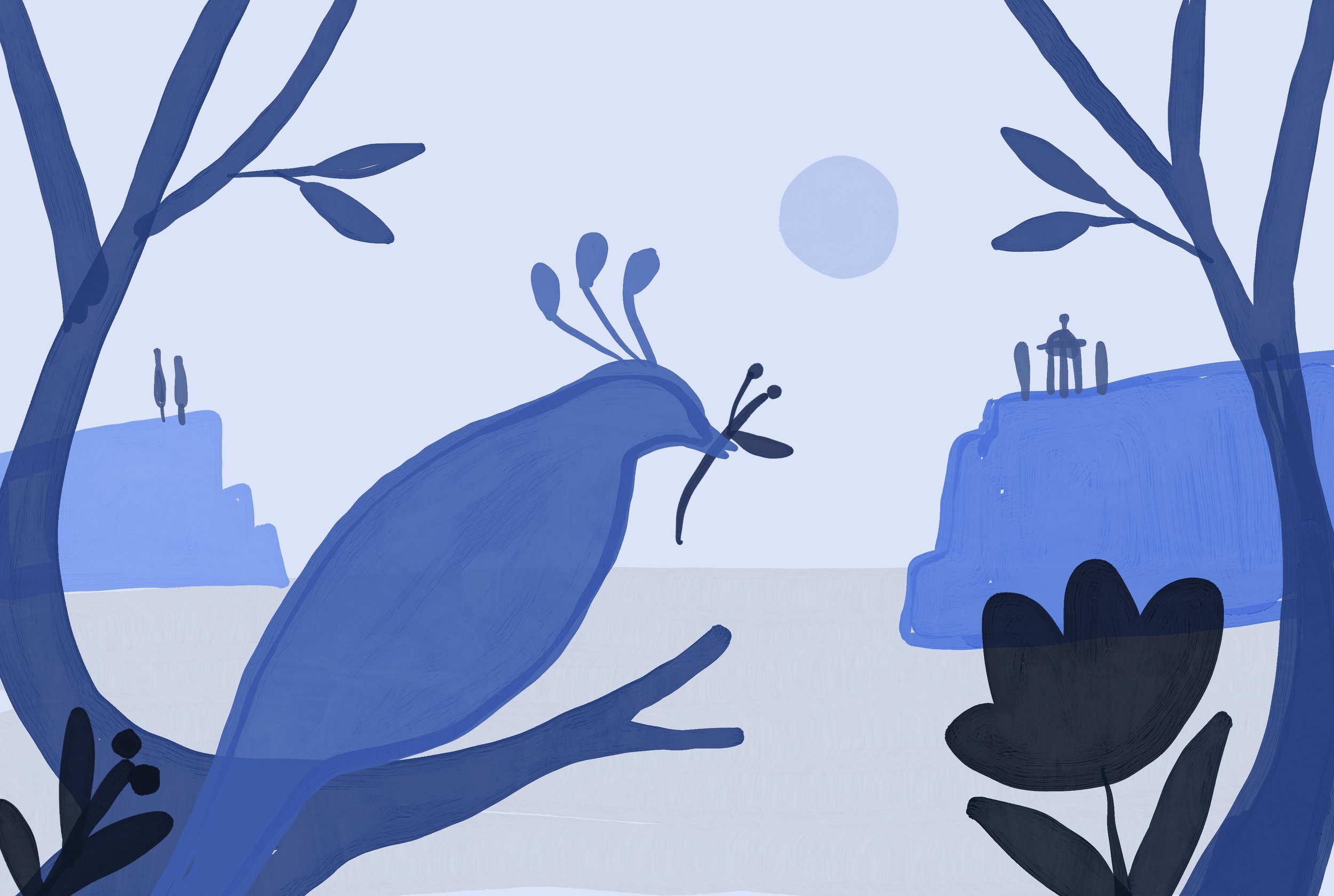
Notan for handcrafted paper diorama illustration
The concept began as a bird I imagined as the keeper of magical plants—a quiet guardian tending rare botanical specimens used in perfume. As the illustration evolved, I simplified the composition, but I kept the small botanical sprig as a hint of that original story. I enjoy leaving just enough narrative for the viewer to complete.
Building the Paper Theater
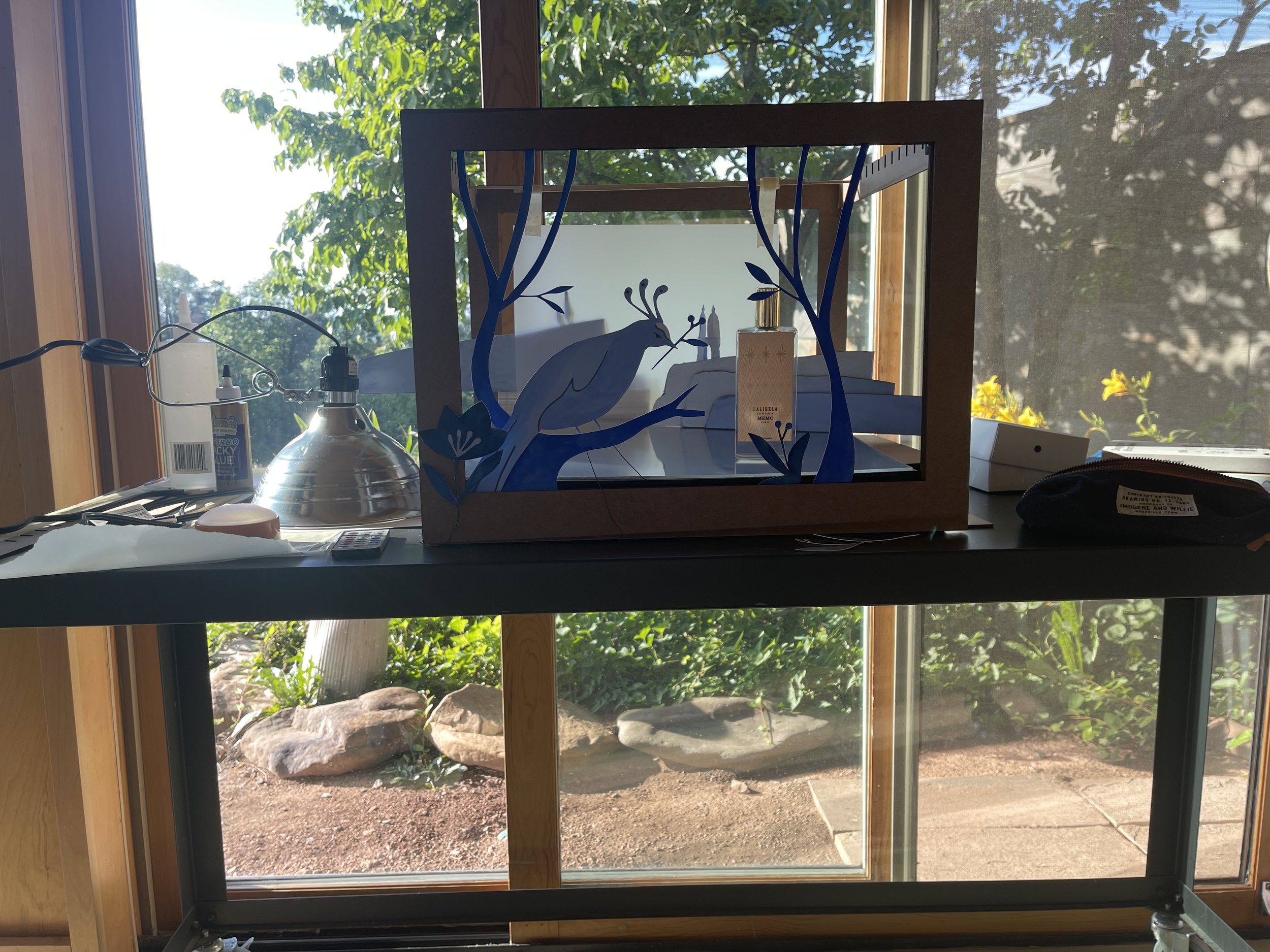
Miniature paper theater during construction
One of my biggest takeaways had nothing to do with assembling paper.
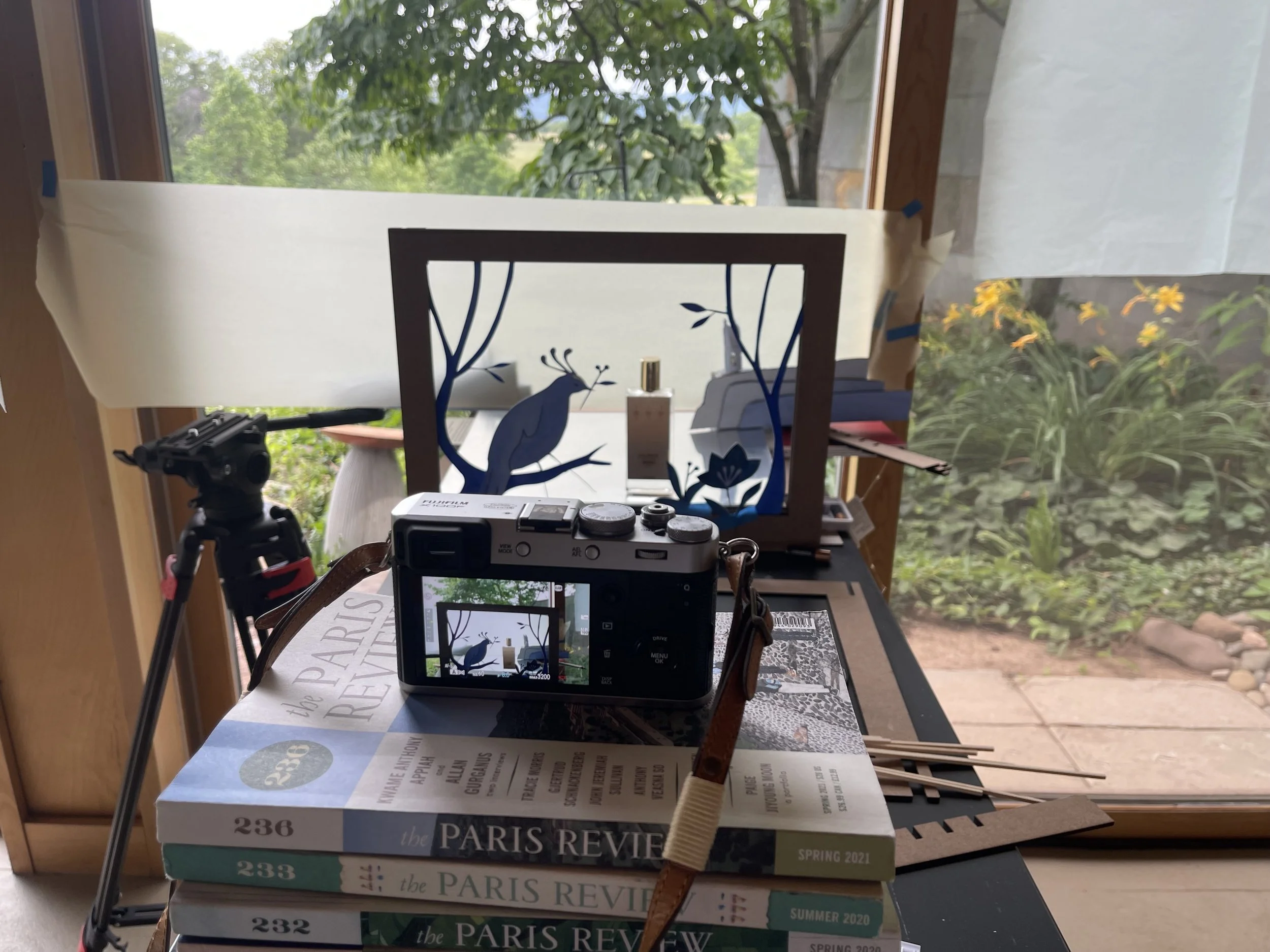
Start of book stack and balancing miniature paper theater during construction
It was the surprising number of improvised solutions that helped finish the piece. My tripod ended up supporting the scene from underneath. Books became camera risers. Tiny scraps of foam core became shims. Building the illustration often felt more like solving a series of small engineering problems than making art.
I was also surprised by how dramatically the composition changed through the camera. Even small shifts in lens choice or camera position completely altered the relationships between foreground and background. What looked balanced in person often felt entirely different through the viewfinder.
The process became collaborative; the paper, the lighting, the camera, and even gravity all had a say in the final image. It reminded me that handcrafted illustration isn't about controlling every detail—it's about responding to what the materials give you.
What I'll Take Forward
Building in paper isn't just about cutting shapes. It's about solving problems, working with light, and letting the physical world become part of the creative process.
The camera becomes part of the illustration rather than simply documenting it.
Sometimes the most valuable thing you make isn't the final image—it's a new way of seeing.
I look forward to carrying these ideas into future editorial, publishing, and packaging projects.
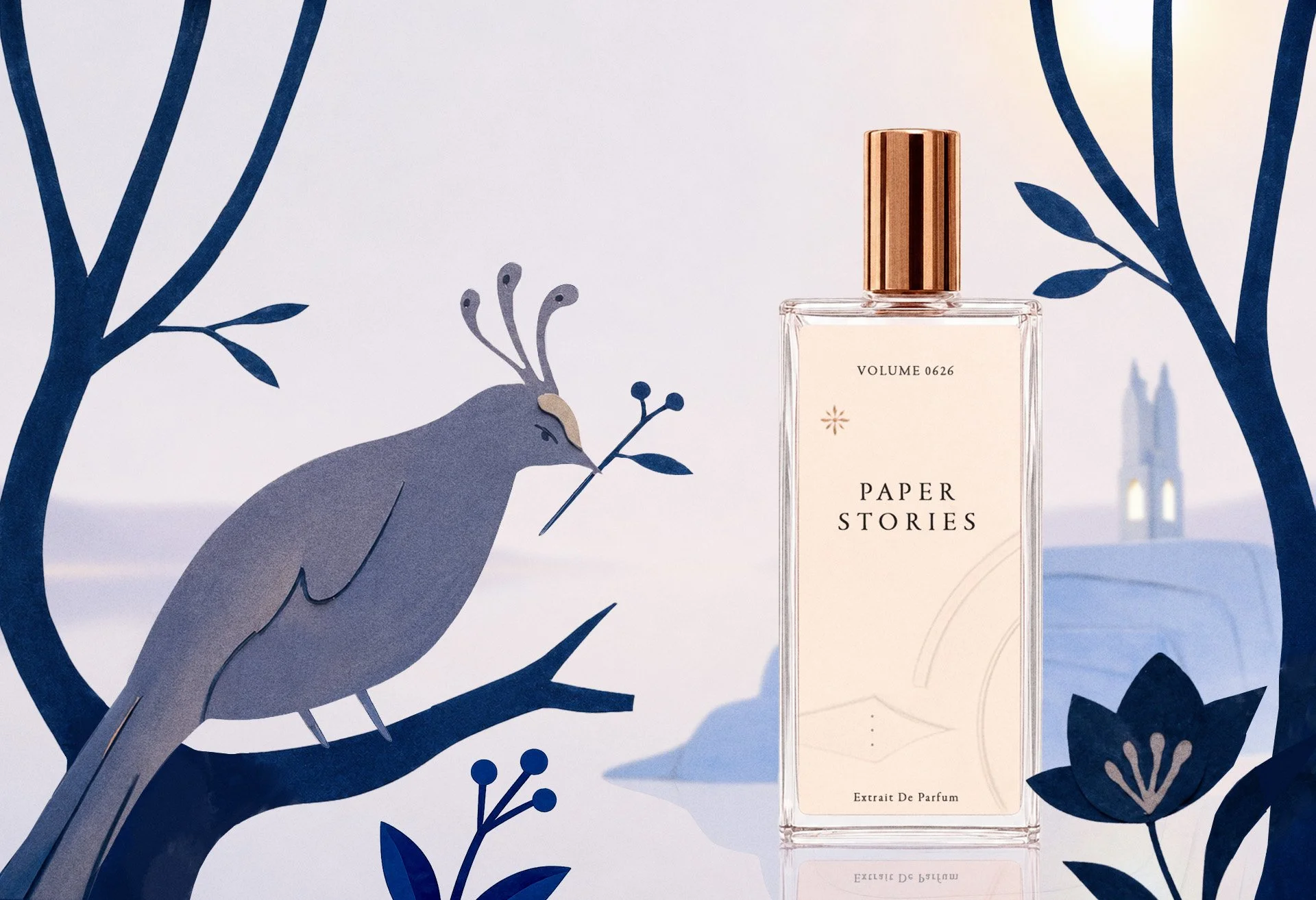
Final handcrafted paper illustration
